Rest for Caregivers Who Feel They Can Never Step Away

Caring for an aging parent, a spouse with a chronic illness, a child with special needs or a family member recovering from surgery is an act of deep love. It is also demanding. Many caregivers feel they can never truly step away. There is always another appointment, medication, meal or need.
If you are a caregiver, you may know you need rest but feel guilty or unable to take it. This post offers practical ways to find rest within your caregiving life, so you can keep caring without burning out.
The weight caregivers carry
Caregiving often involves physical work, emotional strain, constant alertness, difficult decisions and little recognition. Many caregivers also juggle jobs, children and their own health needs.
Over time, the strain can show up as exhaustion, irritability, sleep problems, health issues, isolation and grief. If you feel worn down, it does not mean you love less or are doing it wrong. It means you are carrying a heavy load.
Jesus invited all who are weary and burdened to come to Him for rest (Matthew 11:28). That invitation includes caregivers, perhaps especially caregivers.
Small rests that fit
When long breaks are not possible, small rests can still help:
- Five quiet minutes with a cup of tea while your loved one naps.
- A short walk around the block when someone else is present.
- A breath prayer while waiting at appointments.
- Listening to music or an audiobook during routine tasks.
- Stepping outside for fresh air between responsibilities.
- An early bedtime on nights when care allows.
These moments may seem small, but they can make a real difference over weeks and months. Small Pauses: Resting in the Middle of a Busy Day offers more ideas.
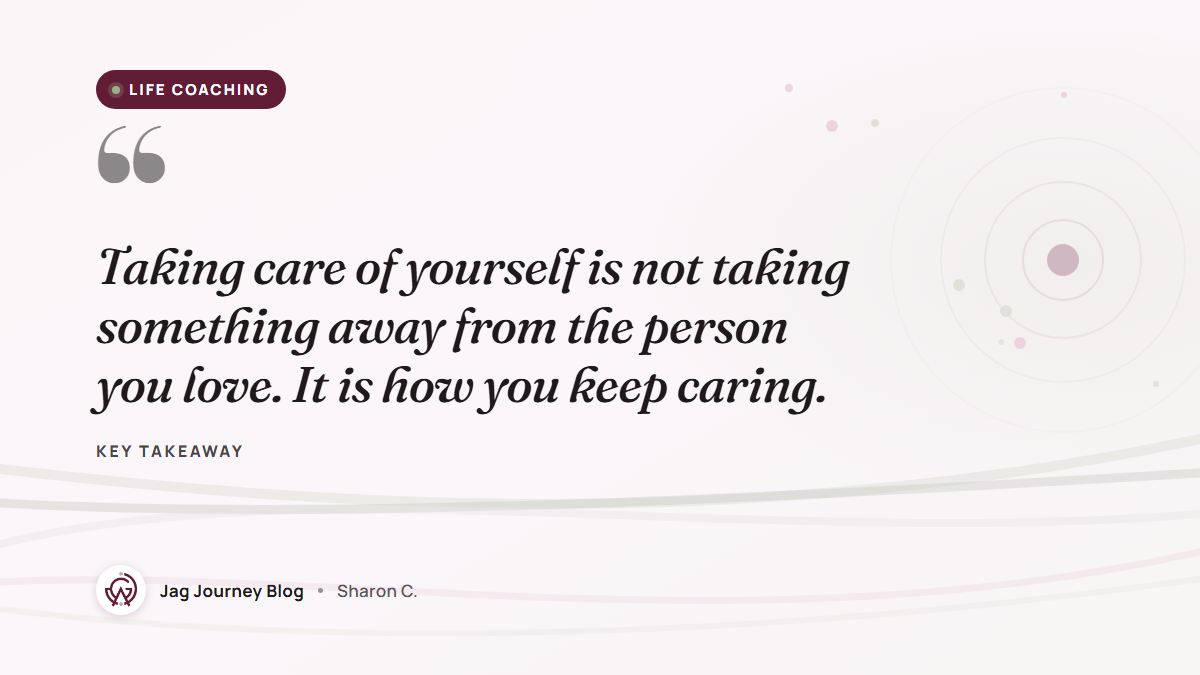
Share the load
Many caregivers try to do everything themselves. Sharing the load is not abandoning your loved one. It is making care sustainable.
Consider who could help:
- Family members, even with small, specific tasks like a weekly visit or handling paperwork.
- Friends and church members, who may be glad to bring meals, run errands or sit with your loved one.
- Neighbors, for quick check-ins or rides.
- Professional services, such as home health aides, adult day programs or respite care.
- Community resources, such as your local area agency on aging, caregiver support groups and disease-specific organizations.
Be specific when you ask. "Could you sit with Dad on Tuesday afternoons from 1 to 3?" is easier to say yes to than "Let me know if you can help." Why Asking for Help Is So Hard and How to Start walks through how to ask.
Build a respite plan
A respite plan is a written plan for regular breaks from caregiving. Take thirty minutes to create one.
- Name your care tasks. List the daily and weekly tasks involved in caring for your loved one.
- Mark what only you can do, and what others could do with some instruction.
- List potential helpers for each task, including family, friends, church and paid services.
- Schedule regular breaks. Aim for at least one short break each day and one longer break each week, even if it is just a few hours.
- Write simple instructions for helpers: medications, routines, emergency contacts and preferences.
- Plan a longer respite every few months if possible, such as a weekend away while someone else provides care.
- Review the plan monthly and adjust as needs change.
Having a plan in writing makes it easier to accept help and less likely that breaks will be skipped.
Care for your own health
Caregivers often postpone their own medical appointments, skip meals and lose sleep. Your health matters too.
- Keep your own doctor and dental appointments.
- Eat regular meals, even simple ones.
- Move your body when you can.
- Pay attention to signs of stress, such as headaches, sleep problems or frequent illness.
If you notice ongoing changes in your physical or emotional health, talk with your doctor. Caring for yourself is part of caring for your loved one.
Guilt and grace
Many caregivers feel guilty when they rest, ask for help or feel frustrated. Those feelings are common. Frustration and love can exist together. Needing a break does not mean you do not care.
Give yourself the same grace you give the person you care for. You are doing something hard and important.
When you are running on empty
If caregiving leaves you feeling hopeless, numb, constantly anxious or unable to cope, please reach out for support. A licensed counselor, your doctor or a caregiver support group can help. If you have thoughts of harming yourself, call or text 988 in the US to reach the Suicide and Crisis Lifeline any time.
Frequently asked questions
How can caregivers get rest when they cannot leave?
Look for small rests during the day, such as quiet minutes during naps, short walks when someone else is present and early bedtimes, and build a respite plan for regular longer breaks.
Is it selfish for a caregiver to take a break?
No. Rest helps caregivers stay healthy and patient over the long term. Taking breaks is part of providing sustainable, loving care.
Where can caregivers find help?
Family, friends and church members can often help with specific tasks. Local area agencies on aging, home health services, adult day programs and caregiver support groups are other good places to look.
Related Posts

When the Kids Leave Home: Rediscovering Yourself
When children leave home, parents often feel both pride and an unexpected sense of loss. Learn how to grieve, reconnect with your spouse and rediscover your own interests.

Setting Boundaries With Family Members You Love
Family boundaries can feel the hardest to set because love and history are involved. Learn how to choose one boundary, plan the conversation and hold it with kindness.

Arrange Your Home So Good Habits Are the Easy Choice
Your surroundings shape your choices more than you might think. Learn how to rearrange one room so good habits get easier and unwanted ones take more effort.

Learning Something New as an Adult Beginner
Learning a new skill as an adult can feel awkward, especially when you are used to being competent. Learn how to embrace being a beginner and build a simple 30-day learning plan.

Habit Stacking: Attach a New Habit to One You Already Have
New habits are easier to remember when they ride along with something you already do every day. Here is how to find your anchor habits and build your first habit stack.
Comments (0)
No comments yet. Be the first to share your thoughts!