Imposter Feelings and Women Leaders: Grounding Confidence in Christ
You have been promoted, launched a business or been asked to lead a project. From the outside, things look good. But inside, a quiet voice keeps whispering: "You do not really belong here. Sooner or later, everyone will find out you are not as capable as they think."
Many accomplished women experience feelings like these, often called imposter feelings. They can make you hesitate to speak up, overwork to prove yourself or turn down opportunities you are well suited for.
If this sounds familiar, you are not alone, and you are not stuck.
Even Moses felt this way
When God called Moses to lead Israel out of Egypt, Moses responded with a string of objections. He asked who he was, that he should go to Pharaoh (Exodus 3:11). He worried people would not believe him and said he was not eloquent (Exodus 4:1, 10). He even asked God to send someone else.
God did not tell Moses he was wonderful on his own. He said, "Certainly I will be with thee" (Exodus 3:12, KJV). Moses's confidence was meant to rest on God's presence, not his own abilities.
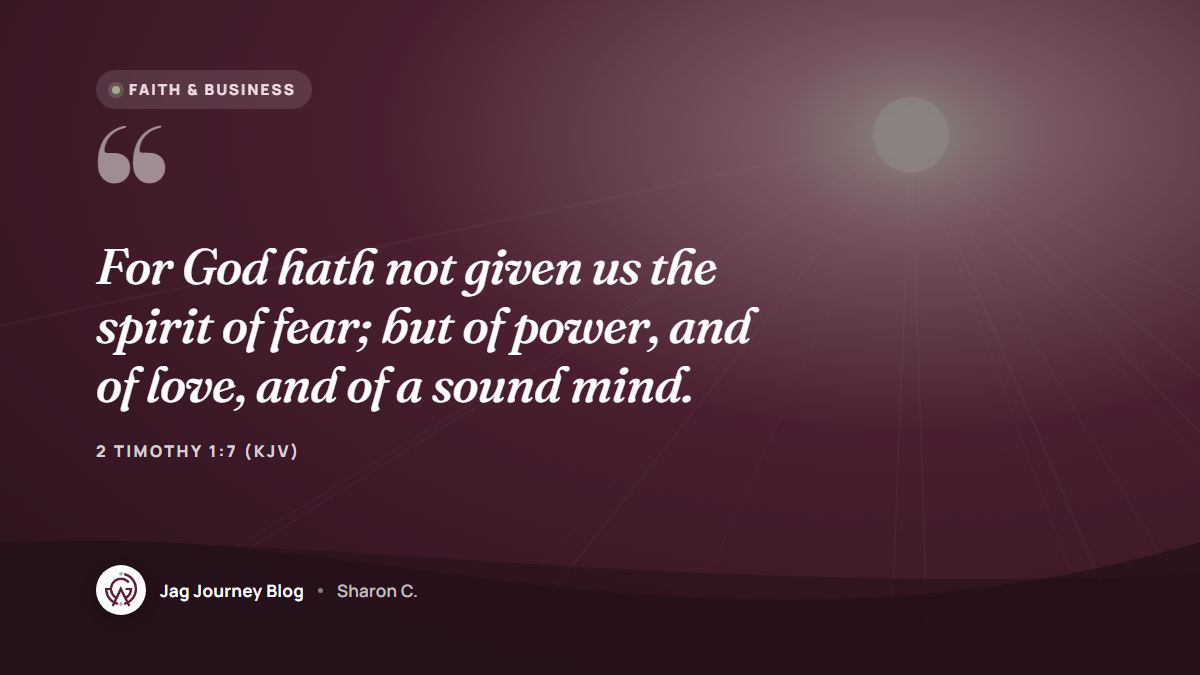
Paul wrote to Timothy, a young leader who may have struggled with timidity: "For God hath not given us the spirit of fear; but of power, and of love, and of a sound mind." (2 Timothy 1:7, KJV). Fear is not the spirit God gives. Power, love and a sound mind are.
Recognizing imposter feelings
Imposter feelings can show up in different ways:
- Attributing your successes to luck or timing rather than skill.
- Fearing that one mistake will expose you.
- Overpreparing or overworking to avoid being found out.
- Discounting praise or feeling uncomfortable when recognized.
- Comparing yourself constantly to others who seem more qualified.
- Hesitating to share ideas in meetings.
These feelings are common and not a medical diagnosis. But they can be painful and limiting.
Separate feelings from facts
One practical step is to look at the evidence. Feelings are real, but they are not always accurate. Try this exercise:
- Write down the thought. For example: "I am not qualified to lead this team."
- List the evidence for it. Be honest.
- List the evidence against it. Include your experience, results, skills, feedback from others and the reasons you were chosen.
- Write a more accurate statement. "I have relevant experience and strong results. I am still learning some parts of this role, and that is normal."
Keep an encouragement file
Create a folder or document where you save positive feedback, thank-you notes, completed projects and accomplishments. When imposter feelings rise, read it. It is not about pride. It is about remembering what is true.
Reframe learning as normal
Many imposter feelings come from believing you should already know everything. But every leader is learning. Replace "I should know this" with "I am learning this." Asking questions and seeking help are signs of wisdom, not inadequacy.
Talk about it
Imposter feelings grow in silence. Share them with a trusted friend, mentor or group of women who understand. You may discover that women you admire have felt the same way. Our post on mentoring the next generation of women offers ideas for finding that kind of support.
Ground your identity in Christ
At the deepest level, imposter feelings often grow from a fear that your worth depends on your performance. Scripture offers a different foundation. You are fearfully and wonderfully made (Psalm 139:14). You are God's workmanship (Ephesians 2:10). Your identity rests in being loved by God, not in proving yourself.
If you would like to go deeper into identity, Jag Journey's U R Amazing Workshops, guided by Coach Sharon, focus on knowing who you are in Christ, free from worldly labels and negative thoughts, with Biblical strategies to break free from lies. There is a free 45-minute mini workshop and a four-week format. You can also read your business struggled, and that does not make you a failure.
If self-doubt is part of persistent anxiety or low mood that affects your daily life, consider speaking with a licensed counselor.
Frequently asked questions
Are imposter feelings a sign that I am in the wrong role?
Not usually. Imposter feelings are common among capable people, especially in new or challenging roles. Look at the evidence of your skills and results rather than relying on the feeling alone.
How can faith help with imposter feelings?
Faith shifts the foundation of your confidence from your own performance to God's presence and love. You can do your work with courage because your worth is secure in Christ.
Should I share my imposter feelings with my team?
You do not need to share everything, but appropriate honesty, such as acknowledging that you are learning, can build trust and make it safer for others to grow too.
Related Posts

Your Business Struggled. That Does Not Make You a Failure
When a business struggles, many owners start to believe they are failures. Here is how to separate your identity from your results, using Scripture and simple daily practices.

Building a Business in the Season of Raising Young Children
Running a business with little ones at home requires a different pace. Here is how to plan for realistic capacity, use small pockets of time well, let go of guilt and grow at a sustainable pace.

How Big Is Big Enough? Defining Enough for Your Business
Without a clear sense of enough, growth becomes an endless treadmill. Here is a worksheet for defining enough income, size and hours for your business, plus a plan for what happens beyond enough.

Building a Business With Legacy in Mind
A business legacy is more than money left behind. Here is how to think about the people you develop, the reputation you build and the practical plans that let your work outlast you.

Deborah's Leadership: Wisdom, Counsel and Shared Credit
Deborah offered wise judgment, gave clear direction, showed courage under pressure and celebrated others in her song of victory. Here are leadership lessons from her story for women leading at work.
Comments (0)
No comments yet. Be the first to share your thoughts!