Excellence Without Perfectionism in Faith-Driven Work

Many faith-driven business owners care deeply about doing excellent work. They want their products to be well made, their service to be outstanding and their reputation to honor God. That is good. But for some, the desire for excellence slowly turns into something heavier: perfectionism. Projects are never finished, mistakes feel devastating and rest feels impossible because there is always something to improve.
Excellence and perfectionism can look alike from the outside. Underneath, they come from very different places.
Working with your might
Ecclesiastes encourages wholehearted effort: "Whatsoever thy hand findeth to do, do it with thy might" (Ecclesiastes 9:10, KJV). Scripture values diligence, skill and care in our work.
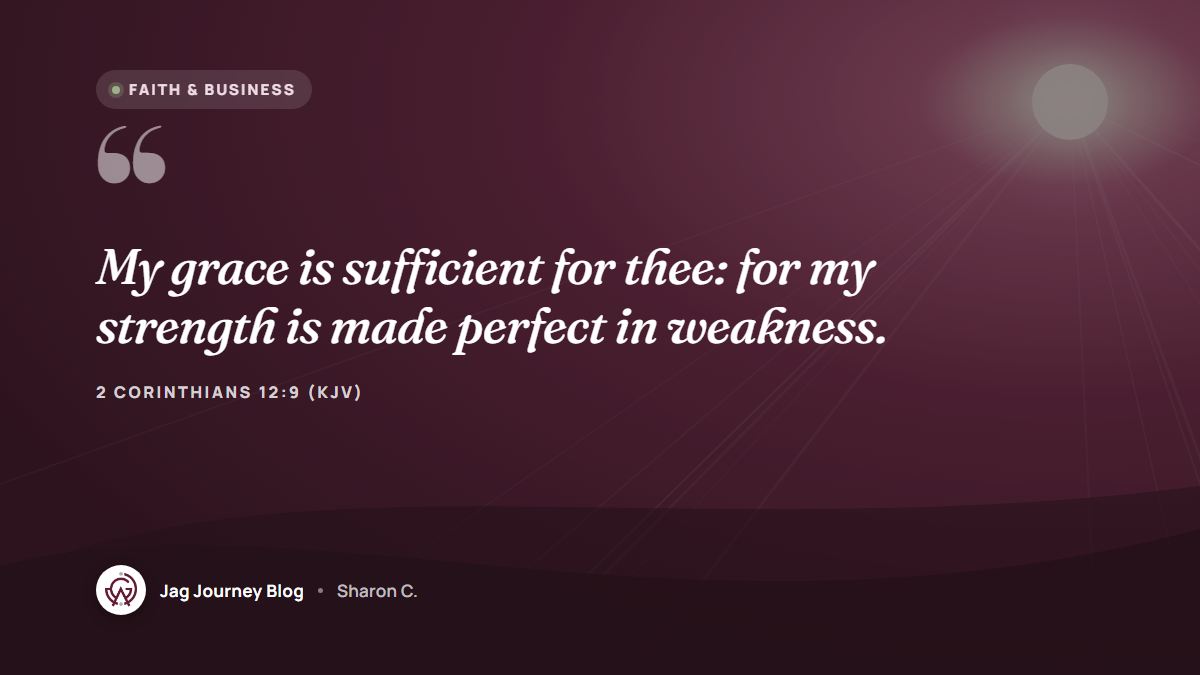
But Scripture also tells us that God's grace is enough in our weakness. When Paul pleaded for relief from a persistent struggle, God answered: "My grace is sufficient for thee: for my strength is made perfect in weakness." (2 Corinthians 12:9, KJV). Paul learned that his limitations were not obstacles to God's work, but places where God's strength showed.
Excellence works with all your might. It also accepts your limits and rests in grace.
Excellence and perfectionism compared
Here are some differences worth noticing.
Excellence:
- Aims to serve others well.
- Sets high but reasonable standards.
- Sees mistakes as opportunities to learn.
- Knows when something is done.
- Can delegate and trust others.
- Rests after good work.
Perfectionism:
- Is often driven by fear of failure or judgment.
- Sets standards that can never be met.
- Sees mistakes as proof of inadequacy.
- Struggles to finish or let go.
- Has difficulty delegating.
- Feels anxious even after success.
If the second list sounds familiar, you are not alone. Perfectionism is common among conscientious people, especially those who care about honoring God in their work.
Define what done looks like
One of the most practical tools against perfectionism is defining done in advance. Before starting a project, write down:
- What the finished product needs to do.
- What quality standard is appropriate for this purpose and customer.
- What is not needed for this version.
When you reach that standard, stop. Additional polishing may feel virtuous, but often it delays delivery without adding much value.
Match effort to purpose
Not every task deserves the same level of effort. A proposal for a major client may need careful attention. An internal note to your team does not. A product's safety features must be flawless. Its packaging font can be good enough. Matching effort to purpose is a form of wisdom, not laziness.
Set time limits
Perfectionists often keep working because they can always improve something. Setting a time limit for a task, such as two hours for a draft or one week for a design, creates a natural endpoint. When the time is up, evaluate whether it meets your definition of done.
Ship, learn and improve
Many businesses improve by releasing something good, learning from real feedback and improving over time. Waiting for perfection often means customers never benefit from what you have made. Excellence is often achieved through steady improvement, not a perfect first attempt.
Let others help
Perfectionism makes delegation hard, because no one else does things exactly the way you would. But trusting others with work is essential for both your health and the business's growth. Our post on what Jethro taught Moses about delegation offers a gradual way to let go.
Learn from mistakes without shame
Every person who does real work makes mistakes. When one happens, try a simple pattern: name it honestly, fix what you can, and ask what small change would prevent it next time. Then let it go. A mistake is information, not a verdict on your worth. Teams also learn faster when leaders model this calmly, because people stop hiding errors and start reporting them early, which is exactly what excellent work requires.
Rest in grace
Ultimately, perfectionism often reflects a deeper belief that your worth depends on flawless performance. The gospel offers a different foundation: you are loved and accepted by God because of Christ, not because of your work. That truth frees you to do excellent work without being crushed by it. If you struggle to rest, read a practical Sabbath for business owners.
Frequently asked questions
Is perfectionism a sin?
Perfectionism itself is often rooted in fear rather than deliberate wrongdoing. But it can lead to anxiety, pride, broken relationships and neglect of rest. Bringing it to God and practicing healthier habits helps.
How do I know when my work is good enough?
Define the purpose and standard before you start. When the work meets that standard and serves the person it is for, it is done, even if you could keep refining it.
Can I have high standards without being a perfectionist?
Yes. High, realistic standards paired with grace for mistakes, clear endpoints and healthy rest are the marks of excellence rather than perfectionism.
Related Posts

Bezalel and the Sacred Value of Skilled, Creative Work
The first person Scripture describes as filled with the Spirit of God was a craftsman. Bezalel's story offers encouragement and practical wisdom for artisans, makers, designers and creative business owners.

Building a Business With Legacy in Mind
A business legacy is more than money left behind. Here is how to think about the people you develop, the reputation you build and the practical plans that let your work outlast you.

Recognizing Burnout Early: Lessons From Elijah Under the Juniper Tree
Elijah went from a great victory to wanting to give up. His story shows the warning signs of burnout and the gentle, practical way God cared for him, starting with sleep and food.

Contentment and Ambition: Can a Christian Want to Grow?
Scripture praises contentment and also shows people who worked with holy ambition. Here is how to hold both, with motive-check questions that help you pursue growth without losing your peace.
Anxiety and the Business Owner: Casting Cares While Still Doing the Work
Owning a business brings a steady stream of worries. Here is a practical way to sort your worries into actions and prayers, care for your body and mind, and know when to get professional help.
Comments (0)
No comments yet. Be the first to share your thoughts!